
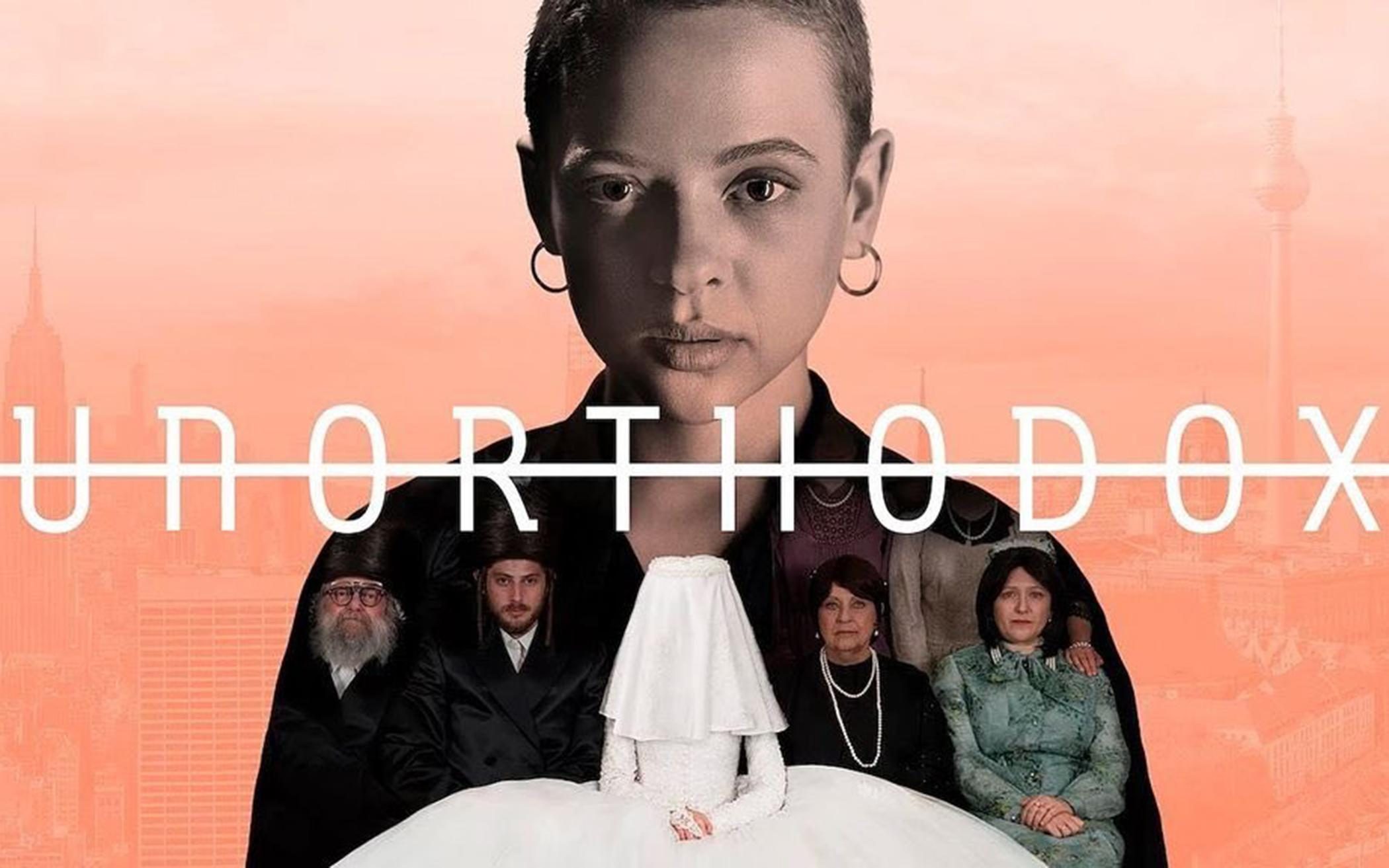
Unorthodox Merch That Turned TV Show Fanatics Into Collectors
When a hit TV series erupts on the cultural radar, its fandom often discovers new ways to celebrate the moments that made them laugh, gasp, or binge‑watch until sunrise. While traditional posters and t‑shirts have always been staples, some shows have taken a daring turn, offering Unorthodox Merch that transforms casual viewers into obsessive collectors. The result? A vibrant market where quirky items become prized possessions, and fan loyalty skyrockets.
Unexpected Props That Became Must‑Have Collectibles
One series turned a simple coffee mug used by a lead character into a limited‑edition piece of memorabilia. Fans clambered to own the exact replica, complete with the character’s faded logo and a hidden phrase only true viewers would recognize. The magic lay in its authenticity—no mass‑produced replica could match the feel of the prop that appeared on screen.
Another example emerged from a sci‑fi drama that featured a mysterious crystal pendant. The studio partnered with artisans to craft hand‑blown glass versions, each numbered and signed. Within days, the pendants sold out, and secondary‑market prices surged. Collectors weren’t just buying a piece of jewelry; they were owning a narrative fragment that sparked endless speculation about the show’s mythology.
Limited‑Edition Apparel That Fans Frantically Snagged
Beyond props, designers introduced apparel that broke the conventional mold. A comedy series released a line of reversible jackets—one side displayed a bold, tongue‑in‑cheek quote, while the reverse showcased a subtle, embossed emblem. The dual nature appealed to both die‑hard fans and fashion‑forward shoppers, creating a crossover appeal.
In a daring move, a fantasy epic launched a set of socks embroidered with cryptic rune patterns seen only in a single episode. The socks sold out within hours, and the frenzy sparked a secondary market where fans swapped rare designs to complete their collections. This unexpected crossover of high fashion and pop culture proved that even the smallest garments could become coveted collectibles.
Interactive Gadgets That Turned Viewers Into Players
When a thriller series introduced a puzzle‑box that mirrored a key plot device, it turned passive viewers into active participants. The box required solving riddles based on episode clues, and once unlocked, it revealed an exclusive digital comic. Fans formed online groups to share hints, turning the gadget into a community‑building tool.
Another show released a Bluetooth‑enabled replica of a fictional handheld device, complete with custom sound effects and an app that generated “secret missions.” Owners could log achievements, trade digital badges, and even unlock bonus video content. The gadget blurred the line between on‑screen narrative and real‑world experience, cementing each owner’s status as a true insider.
Unorthodox Merch That Redefined Fan Loyalty
The success of these off‑beat items isn’t just about novelty; it’s about creating deeper emotional ties. When fans can hold a tangible piece of their favorite series—whether it’s a prop, a piece of apparel, or an interactive device—they feel a personal connection that transcends screen time. This sense of ownership fuels conversations, fan art, and even fan‑generated content, expanding the show’s ecosystem long after the final episode airs.
Moreover, the scarcity of these items amplifies their desirability. Limited runs, numbered editions, and collaborations with niche artisans create a “hunt” mentality. Fans become collectors, and collectors become advocates, sharing their finds on social platforms, sparking curiosity among newcomers, and driving a cycle of sustained engagement.
The Ripple Effect: How Unorthodox Merch Fuels Fan Communities
Beyond sales figures, these unique products act as catalysts for community building. Online forums light up with unboxing videos, trade negotiations, and DIY tutorials for customizing items. Meet‑ups and conventions feature swap tables where fans trade rare pieces, solidifying friendships that often extend beyond the fandom itself.
Even creators benefit. By observing which items spark the most excitement, producers can gauge audience preferences, informing future story arcs or merchandise strategies. The dialogue becomes a two‑way street: fans influence the brand, and the brand rewards fans with innovative, meaningful collectibles.
In the end, unorthodox merch does more than fill a shelf—it reshapes the relationship between a TV show and its audience. It turns passive viewership into active participation, fuels a thriving collector culture, and proves that when creators think beyond the ordinary, the possibilities for fan engagement are limitless.


